At Sanchez & Farrar PLLC, we understand that military divorce is a unique and emotionally challenging process, filled with issues that differ from civilian separations. With our unwavering commitment to serving those who serve our nation, we offer compassionate and comprehensive legal services tailored to meet the specific needs of military families facing divorce.
Recognizing the unique challenges that military divorces present, our firm offers personalized legal advice and strong representation to help in these proceedings. We understand the intricacies involved and stand ready to assist with the commitment to achieving a resolution that is equitable and just.
For professional legal support and a free consultation, reach out to us at 512-379-6985.
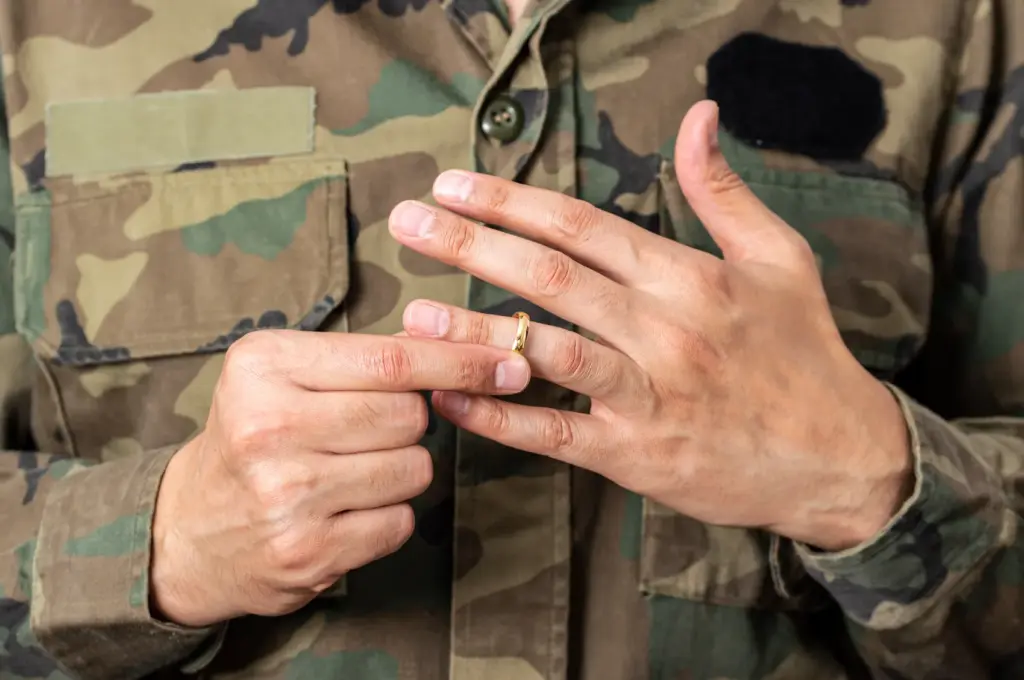 The unique demands of military service can strain even the strongest of marriages, leading to a higher incidence of divorce among military personnel. When a military marriage ends in divorce, it sets the stage for a process that intertwines federal and state laws, military regulations, and unique logistical challenges, which can be quite different from a civilian divorce. In military divorce cases, facing them requires a thorough understanding of the legal landscape.
The very nature of military service often means that servicemen and servicewomen are frequently deployed overseas, placing substantial stress on marriages. Not only do these deployments test the strength of a relationship, but they also complicate divorce proceedings by affecting family support systems and necessitating significant adjustments to child custody and support arrangements.
The transient nature of military life, with frequent relocations, can lead to the non-military spouse losing installation housing, typically within a 30-day window following the service member’s departure. This adds another layer of complexity to the already intricate process of military divorce.
Adding to the difficulties of military divorce are the considerations surrounding military benefits and pensions. Until the divorce is officially finalized, non-military spouses retain their ID card and certain benefits, although these may change upon divorce. Moreover, military members are legally obligated to provide economic support to their spouses or dependents, typically determined by the basic allowance for housing rates, until final divorce orders are issued.
The question of where to file for divorce can often be a source of confusion and challenge in military divorces. Military personnel and their spouses have the option to file for divorce in the state where the service member is currently stationed, where they claim legal residency, or where the nonmilitary spouse resides.
However, the frequent relocations of military families can create confusion when determining the proper jurisdiction for filing for divorce, as different states may have varying residency requirements that influence the divorce process.
Serving divorce papers to an overseas spouse can be a daunting task, particularly when considering the vast distances and the legal nuances involved. This process is further complicated by the protections afforded by the Service Members Civil Relief Act (SCRA), which can delay proceedings during active duty to protect service members from being unfairly disadvantaged while serving their country.
The SCRA is designed to ensure that active duty service members can devote their full attention to their duties by postponing civil obligations, including divorce proceedings. As a result, it’s not uncommon for military divorces to experience delays, making it crucial for the initiating spouse to have a clear understanding of the legal process and the protections in place.
This is why having legal representation is essential, as it ensures active service members are not divorced without their participation. Legal counsel experienced in military divorce can explain the intricacies of international law, coordinate with legal authorities in different jurisdictions, and utilize appropriate channels for serving papers overseas. They can also provide guidance on how to proceed if a spouse is deployed in a location with limited communication or legal infrastructure.
 Military parents face unique challenges in child custody and support due to deployments and long separations. The Servicemembers Civil Relief Act (SCRA) provides protections against default judgments and extends the amount of time military personnel have to respond to divorce papers during deployment.
Military parents are offered legal protections ensuring their service does not penalize their custody rights, but the complexities necessitate experienced legal counsel.
Military parents must walk through establishing custody arrangements that address the demands of military service while ensuring the stability of the children involved. Courts tend to favor joint custody in military divorces unless there are substantial reasons such as addiction or abandonment.
Calculating child support in military divorces requires a thorough understanding of both state laws and federal regulations pertaining to military pay and benefits. Changes in military pay due to promotions or new roles within the service can affect the child support obligations.
Deployment can result in a significant change in circumstances that may necessitate modifications to existing child custody and support arrangements. Practical measures can be used to maintain the parent-child relationship, such as:
Maintaining this relationship is important, contributing to stability and emotional well-being.
Military divorces often involve specific considerations due to the division of assets such as military benefits, pensions, healthcare, and housing allowances, which are governed by federal law. A military pension is subject to division in a divorce if the service member is domiciled in the state, or if the service member resides in the state for reasons not related to military service, or if they consent to the jurisdiction of the state.
One of the most significant assets that can be divided in a military divorce is the military pension. The ‘10/10 rule’ under the USFSPA stipulates at least ten years of marriage overlapping with ten years of military service for a former spouse to receive direct payment of the divided pension.
Beyond pensions, divorce attorneys play a crucial role in protecting the military spouse’s entitlements to certain military benefits throughout the divorce proceedings.
The Uniformed Services Former Spouses’ Protection Act (USFSPA) provides for the equitable distribution of military retired pay in a divorce proceeding and stipulates certain conditions for a former spouse to qualify for a portion of a service member’s retirement pay. Beyond pension division, the USFSPA also entitles spouses who were married for 20 years or more, coinciding with active-duty service, to healthcare, commissary access, and possibly Survivor Benefit Plan coverage as dictated by state courts for divorces on or after November 14, 1986.
Spousal support in military divorces is determined according to the state laws where the service member resides, not by military courts. Judges base spousal support amounts and duration on what is considered ‘fair and equitable’, assessing factors such as:
 Military divorces present specific challenges that differ from civilian cases. At Sanchez & Farrar PLLC, we focus on these unique aspects to provide thorough legal services in family law, estate planning, and criminal law. Our approach is centered on understanding and addressing the particular needs that arise in military divorces. We are committed to delivering personalized services, ensuring that every client receives the legal support they need when they need it.
Our attorneys have extensive experience with the intricacies of military divorce, including the division of military benefits and pensions, and the establishment of child custody arrangements that consider military service requirements. We prioritize clear communication and responsive support, striving to assist our clients in their divorce proceedings with competence and diligence.
Don’t wait to get the representation you deserve. Call us today at 512-379-6985 to set up your free consultation and start your journey toward justice.
Military personnel are protected under the ServiceMembers Civil Relief Act (SCRA), which can delay divorce proceedings during active duty to ensure that service members have the opportunity to participate fully in their defense. The SCRA also provides additional protections in child custody cases, preventing permanent custody decisions from being made without the service member’s involvement. Furthermore, the Uniformed Services Former Spouses’ Protection Act (USFSPA) governs the distribution of military retirement pay, allowing for equitable division as part of a divorce settlement.
Initiating a military divorce involves several steps that may differ from civilian divorces due to the nature of military service. The first step is to consult with an attorney who understands military divorce law. The spouse seeking the divorce must then determine the appropriate jurisdiction, which could be the state where the service member is stationed, where they claim legal residency, or where the nonmilitary spouse resides. Once jurisdiction is established, the divorce papers need to be filed, and the service member must be served with these papers, which can be more complex if they are deployed overseas.
Deployment can lead to significant changes in child custody and support arrangements, impacting family support systems and coping mechanisms. Be prepared to adjust the arrangements as needed.
The division of property in a military divorce follows similar principles as civilian divorces but must also adhere to federal laws, such as the Uniformed Services Former Spouses’ Protection Act (USFSPA). This means that while state law determines the division of marital property, certain military-specific assets like military pensions are divided according to federal guidelines. It’s important to note that the division of military pensions is subject to the ’10/10 rule’, which allows direct payment from the Defense Finance and Accounting Service (DFAS) to the former spouse if there was at least ten years of marriage overlapping with ten years of military service. Other assets, such as healthcare, commissary access, and housing allowances, are also considered during the division process. Legal representation is crucial in these cases to ensure an equitable distribution of all assets.

To learn more about the services offered by Sanchez & Farrar, PLLC, call our firm or send us an email. We have offices in New Braunfels and Austin.